How to compare car insurance quotes
By Everyday Guide Hub Editorial Team · Last updated February 2, 2026
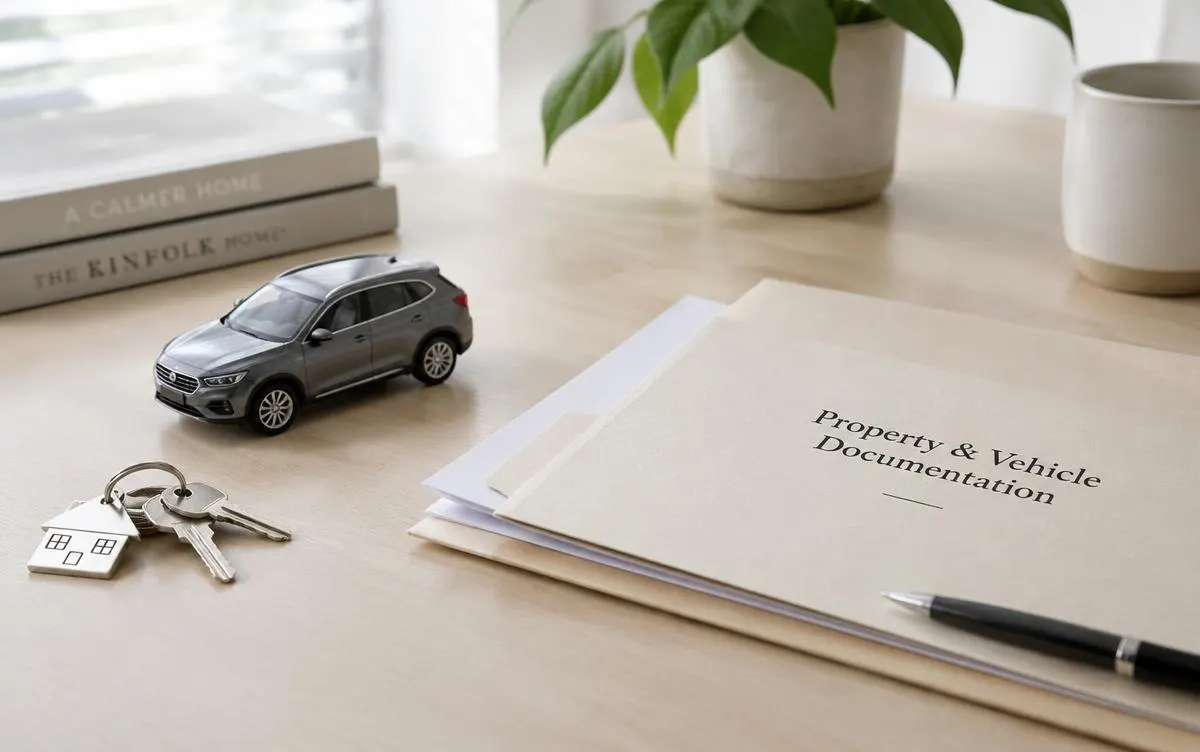
A fair comparison starts with matching the coverage, limits and deductibles—not simply choosing the lowest quoted price.
This guide is general information only and is not financial, insurance or legal advice. Please speak with a qualified professional about your own situation. Read our disclaimer.
Start with a like-for-like comparison
A car insurance quote is an estimate based on information about you, your vehicle and the coverage you request. Two quotes can look very different because they may describe different protection, deductibles or eligibility assumptions. Before comparing prices, make sure each insurer is quoting the same basic package.
Write down the coverages and limits you want, then use that list for every quote. Depending on where you live and the insurer, options may include liability coverage, collision, comprehensive, uninsured or underinsured motorist protection, and personal injury protection or medical payments coverage. Names and rules vary by location, so read each quote's definitions rather than relying on labels alone.
Compare the same:
- Drivers and household details.
- Vehicles, including year, make, model and use.
- Coverage types and limits.
- Deductibles for each coverage that has one.
- Policy term, payment frequency and effective date.
- Optional endorsements and discounts.
A quote based on one driver is not comparable with one that includes another household driver. Similarly, a policy with a lower liability limit should not be treated as equivalent to one with a higher limit just because the premium is lower.
Check the details insurers use
Insurers use details about drivers and vehicles to estimate risk and determine eligibility and price. Information commonly requested can include address, driving history, vehicle identification, annual mileage, vehicle use, and the names and ages of household drivers. The factors and rules differ by insurer and jurisdiction.
Take time to enter information consistently and accurately. If one quote assumes a short commute and another assumes frequent business use, the prices may reflect those different assumptions. If a vehicle is financed or leased, the lender may have coverage requirements; confirm those requirements with the appropriate party rather than assuming a quote satisfies them.
Review the quote summary for:
- The drivers listed and how each vehicle is assigned.
- Whether the vehicle is used for commuting, business or another purpose.
- Estimated annual mileage.
- Any reported incidents or claims.
- The garaging address and vehicle details.
If something is wrong or unclear, ask the insurer to explain or correct it before relying on the price. Do not omit a driver or alter details just to obtain a lower estimate. A quote is only useful if it reflects the situation the policy would actually cover.
You may also find helpful: How to create a home inventory for insurance
Compare the coverage, not just the premium
Liability coverage generally addresses covered injury or property damage for which an insured driver is legally responsible, subject to policy terms and limits. Collision coverage generally applies to covered damage to the insured vehicle from a collision. Comprehensive coverage generally applies to certain covered causes other than collision, such as theft or some weather-related damage. These are broad descriptions, not a substitute for the policy wording.
Look at each limit as well as each coverage name. A limit is the most the insurer will pay for a covered loss under the applicable terms. Some liability limits are shown as separate amounts for each person and each accident; property damage may have its own limit. Make sure you understand whether a figure applies per person, per occurrence or to a particular type of loss.
Consider whether the quote includes:
- Uninsured or underinsured motorist coverage.
- Rental reimbursement or transportation expense.
- Roadside assistance or towing.
- New-car replacement or other vehicle-specific options.
- Medical payments or personal injury protection where available.
Optional features can be useful for some people and unnecessary for others. Check what they cover, their limits, exclusions and cost. Avoid assuming that a feature is included just because it appears in a marketing description.
Understand deductibles and out-of-pocket costs
A deductible is typically the amount you pay toward a covered claim before the insurer pays its share, although the details depend on the coverage and policy. Quotes may list separate deductibles for collision and comprehensive. Liability coverage generally does not work like a deductible in the same way, but policy forms and local rules can vary.
A higher deductible often corresponds to a lower premium, but it also means taking on more of the cost when a covered claim occurs. Compare deductible amounts side by side and think about whether you could manage that amount if you needed to make a claim. A low premium is not necessarily the best fit if the associated deductible would be difficult to pay.
Ask whether a deductible applies to each claim, how it is collected, and whether any special deductible applies in certain situations. Also look for limits, exclusions and conditions that can affect what the insurer pays. The quote itself may be brief; the policy documents contain the more complete terms.
Look beyond the headline price
The displayed premium is important, but confirm what it represents. It may be a six-month or annual cost, a monthly installment, or an estimate before a payment-plan fee or other charge. Compare the total cost over the same policy term and note any fees, deposits, installment charges or conditions attached to a discount.
Ask which discounts are included and what must remain true to qualify. A discount may depend on bundling, payment method, mileage, safety equipment or another factor. Do not count a temporary or conditional discount as permanent without understanding the criteria and how renewal pricing may differ.
A practical comparison sheet might include:
- Total premium for the same term.
- Amount due at the start and installment schedule.
- Coverage limits and deductibles.
- Included endorsements and their limits.
- Discounts, fees and conditions.
- Contact details and quote date.
Price is only one consideration. You may also want to review the insurer's claims process, customer support options and financial strength information from independent sources. These points do not guarantee a particular experience, but they can help you ask more informed questions.
Ask questions before choosing
Before accepting a quote, ask the insurer or agent to explain differences you cannot resolve from the summaries. Useful questions include whether the quote is final or subject to verification, when coverage would begin, what documents are needed, and whether the price could change after the information is checked.
Confirm that the final application and policy list the correct vehicles, drivers, addresses and coverage selections. Keep a copy of the quote and the policy documents. If you replace an existing policy, coordinate the effective dates carefully so you understand when one policy ends and the next begins. Avoid canceling existing coverage until you have confirmed the new arrangement is active.
A careful comparison is a repeatable process: standardize the inputs, compare limits and deductibles, clarify the total price, then read the terms. That approach helps you see what you are buying instead of treating the lowest number as the whole story.
Revisit your comparison when circumstances change
A quote is a snapshot based on the information provided at a particular time. You may want to review your policy when you move, change vehicles, add or remove a household driver, change how much you drive, or experience another significant change. Tell your insurer about changes that its policy or local rules require you to report.
When reviewing coverage, compare the current policy against new offers using the same method. Do not assume an old quote remains available or that a new price will continue through renewal. Ask how changes affect the premium, limits and policy terms.
Keep your comparison notes and the relevant policy documents together. They make it easier to see what changed at renewal and to ask focused questions. The goal is not to predict every possible claim; it is to understand the trade-offs among cost, coverage and the amount you may need to pay yourself.
Key takeaways
- Compare identical drivers, vehicles, policy terms, coverage limits and deductibles.
- Correct quote details before relying on the estimate.
- A lower premium may come with lower limits or higher out-of-pocket costs.
- Check fees, payment schedules, discounts and their conditions.
- Read the policy documents and confirm the effective date before switching.
Frequently asked questions
Should I choose the cheapest car insurance quote?
Not based on price alone. First compare coverage types, limits, deductibles, fees and policy terms so you know whether the quotes offer similar protection.
Why do car insurance quotes differ so much?
Insurers may use different pricing methods, eligibility rules and assumptions. Differences in the information submitted or coverage selected can also change the estimates.
Does requesting a quote mean I have coverage?
Usually, a quote is an estimate rather than proof that coverage is active. Confirm acceptance, payment requirements and the policy's effective date with the insurer.
How often should I compare car insurance?
There is no single schedule that suits everyone. Consider reviewing your coverage when circumstances change and when your policy is approaching renewal.
Written and reviewed by the Everyday Guide Hub Editorial Team. Read how we work in our editorial policy.
Continue reading
Insurance Explained
How to create a home inventory for insurance
A simple record of your belongings can make insurance claims faster and help you choose the right level of cover.
3 min read
Insurance Explained
Understanding insurance deductibles and excesses
The deductible (or excess) affects both your premium and what you pay when you claim. Here is how to think about it.
3 min read
Insurance Explained
Understanding deductibles, premiums and coverage limits
Learn how three common policy terms work together and what to check when comparing insurance options.
6 min read