Staying hydrated: a practical everyday guide
By Everyday Guide Hub Editorial Team · Last updated September 22, 2026
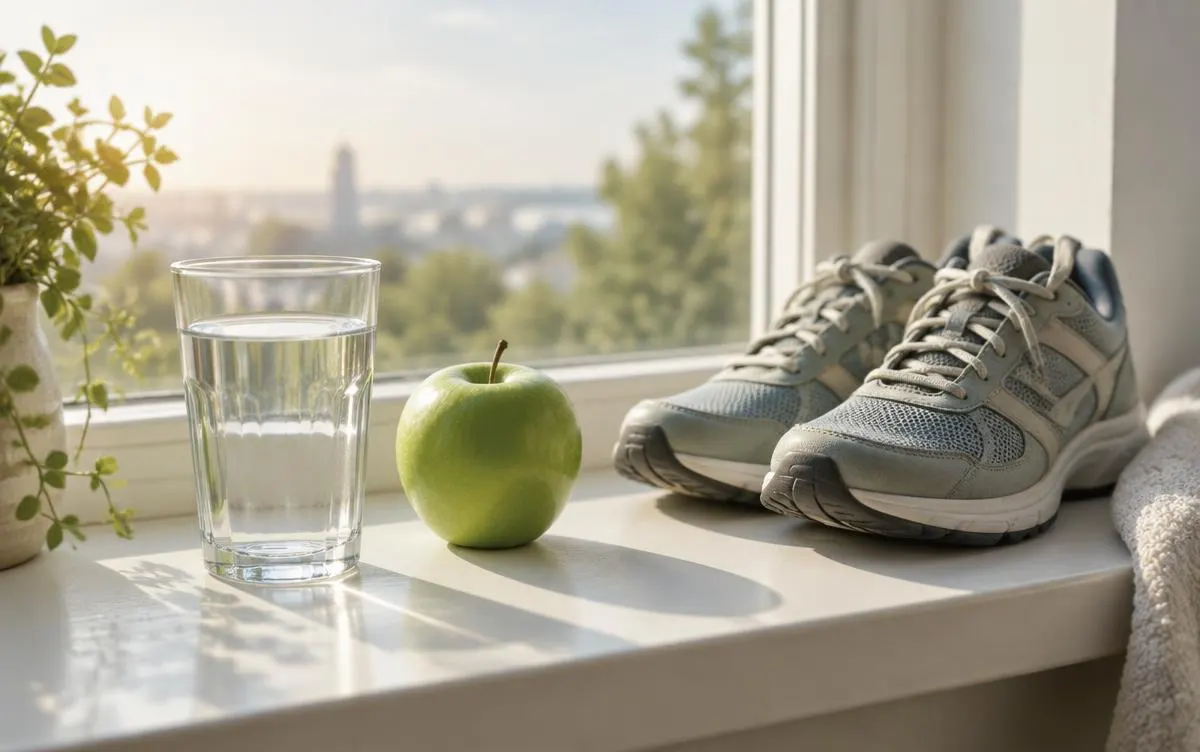
Hydration needs vary with the person, weather, activity, and health. Build a flexible routine and ask a professional about individual fluid guidance.
This guide is general information only and is not medical advice. Please speak with a qualified professional about your own situation. Read our disclaimer.
Hydration is personal
Water is needed for many everyday functions, but how much fluid a person needs can vary. Weather, activity, age, diet, medications, and health conditions all matter. There is no one amount that suits everyone, and a general guide should not replace advice from a clinician, especially if you have been told to limit or increase fluids.
For many people, drinks taken throughout the day and the water in foods both contribute to fluid intake. Water is a simple option, but other drinks and foods can also contribute. The right approach is one that supports your everyday routine and is appropriate for your health needs.
Treat thirst as one useful cue
Thirst can be a helpful reminder, but it is not the only cue to consider. Some people may notice thirst less reliably, and individual circumstances can affect fluid needs. Pay attention to your routine, the conditions around you, and any specific guidance you have received from a health professional.
Make drinking water convenient
Small environmental changes can make it easier to remember to drink. Keep a clean glass or bottle where you spend time, bring water on outings, or pair a drink with familiar daily activities such as meals. If you use a bottle, choose one that is easy to open, carry, and clean. A straw or lightweight cup may be more convenient for some people.
You might set a gentle reminder if you often get absorbed in work or activities. Reminders should be prompts, not rigid quotas. If they become stressful or conflict with medical guidance, stop using them and ask a professional what routine is appropriate. People who have difficulty reaching or carrying a drink may benefit from placing it within easy reach or asking someone to help arrange the space.
Make the choice appealing
If plain water is unappealing, try it chilled or at room temperature, depending on your preference. Some people enjoy water with a slice of fruit or herbs. Unsweetened tea, milk, soup, or water-rich foods may also contribute to a person’s intake, though nutritional needs and restrictions differ. Choose options that fit your preferences and any health guidance you follow.
You may also find helpful: Practical ways to manage everyday stress
Consider your day and surroundings
Fluid needs may change with heat, physical activity, fever, vomiting, or diarrhea. On warm days, take breaks in cooler places and keep a drink available if that is suitable for you. During activity, follow any personal instructions from a health professional. If you feel unwell or cannot keep fluids down, seek appropriate medical guidance rather than relying on a general hydration routine.
Plan ahead for time away from home. Carry a drink if practical, identify places where you can refill, and consider how long you will be out. If bathroom access is a concern, you may be tempted to avoid drinking. Discuss that concern with a clinician rather than making a major change in fluid intake on your own.
Food can help provide fluids, too. Fruit, vegetables, yogurt, and soups contain varying amounts of water. Including foods you enjoy can make a day feel more balanced, but no particular food is required for hydration. People with dietary restrictions or swallowing difficulties should seek individualized advice about suitable options.
Pay attention to personal guidance
Some health conditions and medicines affect fluid needs. A clinician may advise a person to limit fluids, increase them, or follow a particular plan. In those cases, general tips—such as carrying a large bottle or drinking more during warm weather—may not be appropriate. Follow the guidance given for your situation, and ask the clinician or pharmacist before changing the plan.
If you are a caregiver, check whether the person you support has specific instructions. Do not assume that more fluid is always better. If the person has trouble swallowing, is frequently coughing while drinking, or seems unable to manage drinks safely, contact a qualified health professional for guidance.
Notice changes without relying on one sign
The color of urine can vary for many reasons, including foods and medicines, so it is not a perfect measure of hydration. A change in urination, unusual thirst, or feeling unwell may have different explanations. Consider the full situation, and contact a professional if you have a persistent concern or symptoms that worry you.
Build a routine, not a strict target
A practical routine might include a drink with meals, a drink during a regular break, and water available during errands. This is only an example; it is not a prescribed amount. Some people prefer frequent small sips, while others find it easier to drink with meals. Choose a pattern that is comfortable and consistent with any medical instructions.
If you have been drinking very little, make changes thoughtfully and ask a professional if you have health concerns. Avoid trying to compensate by consuming a large amount at once. A steady, comfortable routine is generally easier to maintain than a sudden, demanding target.
Beverages with caffeine can contribute fluid, though caffeine may affect sleep or cause other effects for some people. Alcohol is not a recommended way to hydrate and can affect the body in other ways. Sugary drinks may be a consideration for some people’s dietary needs. These are general considerations, not rules for everyone; ask a clinician or dietitian about questions specific to your health.
When to seek professional advice
Ask a health professional what fluid routine is suitable if you have a condition that affects your kidneys, heart, or fluid balance; take medicines that affect urination or fluid levels; or have been given a specific fluid plan. Clarify whether that guidance changes during illness, hot weather, or exercise. A pharmacist may be able to answer questions about whether a medicine has fluid-related considerations.
Seek medical advice if you are concerned about persistent unusual thirst, changes in urination, difficulty drinking, or symptoms that occur with illness. Severe confusion, fainting, or a rapid decline in well-being warrants urgent attention through appropriate local services. The right response depends on the person and the circumstances.
Hydration does not have to involve tracking every sip. Keep drinks accessible, choose options you enjoy, and adapt to your day while respecting professional guidance. If your needs are unusual or uncertain, a clinician can help you build a plan that is appropriate for you.
Key takeaways
- Fluid needs differ by person, activity, weather, health, and medication.
- Accessible drinks and small routine cues may make drinking easier to remember.
- Foods and different beverages can contribute fluid, depending on individual needs.
- Follow professional guidance if you have fluid restrictions or a relevant health condition.
Frequently asked questions
How much water should I drink each day?
There is no single amount that is right for everyone. Needs vary, so follow any personal guidance from a health professional.
Does all my fluid have to come from plain water?
No. Other drinks and water-containing foods can contribute, although some choices may not suit every person's health needs.
Is urine color a reliable way to tell if I am hydrated?
It can vary for many reasons, including foods and medicines, so it should not be treated as a precise measure on its own.
What if my clinician has asked me to limit fluids?
Follow that individualized guidance rather than general hydration tips, and ask your clinician or pharmacist before changing your plan.
Written and reviewed by the Everyday Guide Hub Editorial Team. Read how we work in our editorial policy.
Continue reading
Health & Wellness
Practical ways to manage everyday stress
Stress is a normal part of life. Small, realistic habits can help you feel more in control of busy days.
3 min read
Health & Wellness
A gentle daily stretching routine for beginners
A few minutes of gentle stretching may help you feel looser and more comfortable during the day.
3 min read
Health & Wellness
How to prepare for a doctor's appointment
A little preparation can help you make good use of appointment time. Organize your concerns, medications, and questions in a way that works for you.
5 min read