Decluttering room by room: a calm step-by-step method
By Everyday Guide Hub Editorial Team · Last updated July 1, 2026
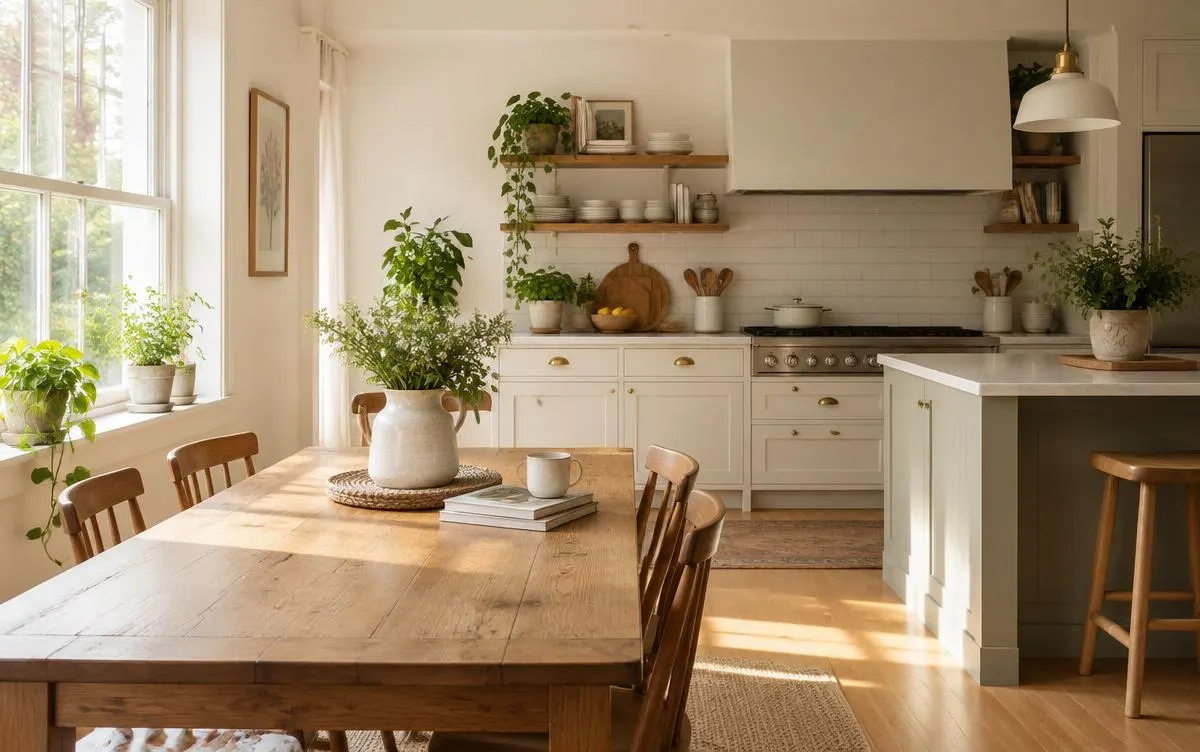
A steady, room-by-room approach helps make decluttering manageable without turning the whole home upside down.
Set a small, clear starting point
Decluttering can feel overwhelming when every room seems to need attention. Make the first goal deliberately modest: one drawer, one shelf, or one visible surface. Completing a defined area gives you a sense of progress and shows how much time the task takes. You can decide what to do next after that, rather than committing to a full-home overhaul.
Choose a time when you are unlikely to be interrupted, and set a gentle limit. A short session is still useful. Gather a few containers or bags for items to keep elsewhere, donate, recycle, discard, or discuss with someone else. Do not create more categories than you can manage. If an item needs special handling, set it aside for a specific follow-up rather than letting it stall the entire session.
Before you begin, decide what “finished” means for that small area. Perhaps the drawer closes easily and the items inside are used or valued. A clear endpoint prevents endless sorting and makes it easier to stop when your energy runs out.
Make decisions at a comfortable pace
You do not need to make every decision immediately. For uncertain belongings, use a clearly marked review box and set a realistic date to revisit it. This is different from creating a collection of unnamed boxes: the purpose and review date should be visible. If an item belongs to someone else, involve them rather than deciding on their behalf.
Start with shared spaces
Shared areas often affect the whole household, so choose a low-conflict spot such as an entryway surface or a shelf of everyday supplies. Begin by removing obvious rubbish and returning misplaced items to their homes. Then group what remains by purpose. A basket for outgoing items or a tray for keys can make the space easier to maintain, provided the container does not become a new hiding place for clutter.
In the living room, work one zone at a time: a coffee table, a media shelf, or a single cabinet. Ask whether each item belongs in the room and whether it is used, enjoyed, or meaningful. Keep the items that support how the household uses the space. Move belongings that belong elsewhere, but avoid walking each item to its destination in the middle of sorting; use a return basket and empty it afterward.
A family room does not need to look bare to feel calmer. Shared spaces naturally hold books, games, blankets, and personal objects. The goal is to make storage and surfaces usable, not to remove signs of daily life. Agree with the household on a simple reset routine, such as returning games to a shelf after use.
You may also find helpful: Decluttering children's rooms without the tears
Make kitchens and bathrooms easier to use
In a kitchen, start with one cupboard or one category, such as cups or food containers. Put similar items together and keep frequently used objects within convenient reach. Check for duplicates, damaged items, and food that is no longer usable, following local disposal guidance where relevant. Avoid emptying every cupboard at once; a smaller section is easier to finish and restore.
Food storage can be easier when items are visible and grouped by type. Place older suitable items where they are likely to be noticed first, and keep a modest space for incoming groceries. Do not transfer products into containers unless you can label them clearly and preserve any important instructions. A simple arrangement that the whole household understands is more useful than a complicated system that only one person can maintain.
In the bathroom, remove empty containers and gather daily-use items in a defined place. Keep products that are used often accessible, while storing medications and hazardous products according to their labels and safely away from children. If several people share the room, each person may need a small defined area rather than one elaborate organizing scheme.
Approach bedrooms and personal belongings thoughtfully
Bedrooms can contain items tied to identity, memories, or changing routines. Work on one area, such as a bedside table or a section of a closet, and allow extra time for decisions. Separate clean, wearable clothing from items needing repair or a decision. If the closet feels crowded, consider whether frequently worn items are easy to see and reach before buying new organizers.
For children's rooms, involve children in age-appropriate choices. Offer a small number of clear options, such as which toys to keep on an accessible shelf, rather than asking them to sort everything at once. Store toys in broad categories and keep containers light enough to handle. Rotating some toys can make a room easier to use without requiring a child to part with everything at once.
For sentimental belongings, there is no universal rule about how much to keep. You might select a few meaningful items for display and store others carefully, or photograph an object before letting it go if that feels right. Do not rush someone else through a personal decision. Decluttering should make the home more workable, not create unnecessary conflict.
Create a simple exit and reset process
As you sort, give each outgoing item a next step. Put donations in a designated place and arrange a realistic drop-off or collection. Recycle or dispose of items according to local rules. Keep the outgoing area contained so it does not become a new obstacle. If an item cannot be accepted for donation, identify a suitable alternative rather than leaving it indefinitely by the door.
When the session ends, return kept items to their homes and empty the “belongs elsewhere” basket. Wipe the cleared surface if needed. Take the donation bag out of the working area, even if it is only to a designated staging spot. A completed small zone is more satisfying than several half-sorted piles spread across the home.
Then choose a maintenance habit that fits the space. A two-minute evening reset, a weekly paper review, or a rule that new items need a defined storage place can help. Maintenance habits should be light enough to repeat. If the system depends on constant effort, simplify it.
Keep the process kind and sustainable
Decluttering is not a measure of character or a requirement to own very little. Homes serve different needs, and belongings may reflect culture, hobbies, work, care responsibilities, or financial circumstances. Focus on the problems you want to solve: crowded surfaces, difficulty finding things, or a room that is hard to clean.
Pause when decisions become tiring. Ask for help if the task is physically difficult or emotionally heavy, and agree in advance on what kind of help would feel supportive. Avoid buying storage products before you know what you are keeping and where it needs to go. Often the best organizing tool is simply fewer duplicates and a consistent place for the items that remain.
Progress may be uneven, and that is normal. Repeat short sessions, notice what has become easier, and adjust systems that do not fit. A calm method respects time, energy, and the people who share the home. One finished shelf is a worthwhile beginning; it does not have to turn into a weekend-long project.
Key takeaways
- Begin with a small area and a clear, achievable definition of finished.
- Sort shared spaces by zone and keep household needs in mind.
- Involve other people in decisions about their own belongings.
- Give outgoing items a specific next step and finish the area before expanding.
- Choose simple maintenance habits that are easy to repeat.
FAQs
Where should I start if the whole home feels cluttered?
Choose one small, visible area such as a drawer or shelf. A defined task is easier to complete than trying to address every room at once.
Should I buy organizers before decluttering?
Usually it helps to sort first. Once you know what remains and where it belongs, you can tell whether an organizer is needed at all.
How do I declutter a shared room?
Start with a low-conflict zone, agree on shared expectations, and avoid making decisions about another person's possessions without them.
What can I do with items I am unsure about?
Put them in a clearly labeled review box and choose a date to revisit it. Avoid letting uncertain items spread into unnamed storage piles.
Key takeaways
- Work in small zones with a clear stopping point.
- Prioritize usability over making a room look empty.
- Include household members in decisions about their belongings.
- Decide where outgoing items will go before starting.
Frequently asked questions
Where should I start if the whole home feels cluttered?
Choose one small, visible area such as a drawer or shelf and complete that before choosing another.
Should I buy organizers before decluttering?
Sort first so you know what remains and whether a product is genuinely useful.
How do I declutter a shared room?
Start with a small zone, agree on shared expectations, and involve people in decisions about their belongings.
What can I do with items I am unsure about?
Use a clearly labeled review box with a date to revisit it, rather than creating untracked piles.
Written and reviewed by the Everyday Guide Hub Editorial Team. Read how we work in our editorial policy.
Continue reading
Home & Family
Decluttering children's rooms without the tears
Toys and clothes pile up quickly. These gentle methods make tidying easier for children and parents alike.
3 min read
Home & Family
Simple weekly meal planning for busy families
A short weekly plan can cut food waste, save money, and remove the nightly 'what's for dinner?' question.
3 min read
Home & Family
Preparing your home for winter: a simple checklist
A few seasonal checks can help your home stay comfortable, organized, and ready for colder weather.
6 min read