A practical guide to making your home safer for all ages
By Everyday Guide Hub Editorial Team · Last updated February 3, 2026
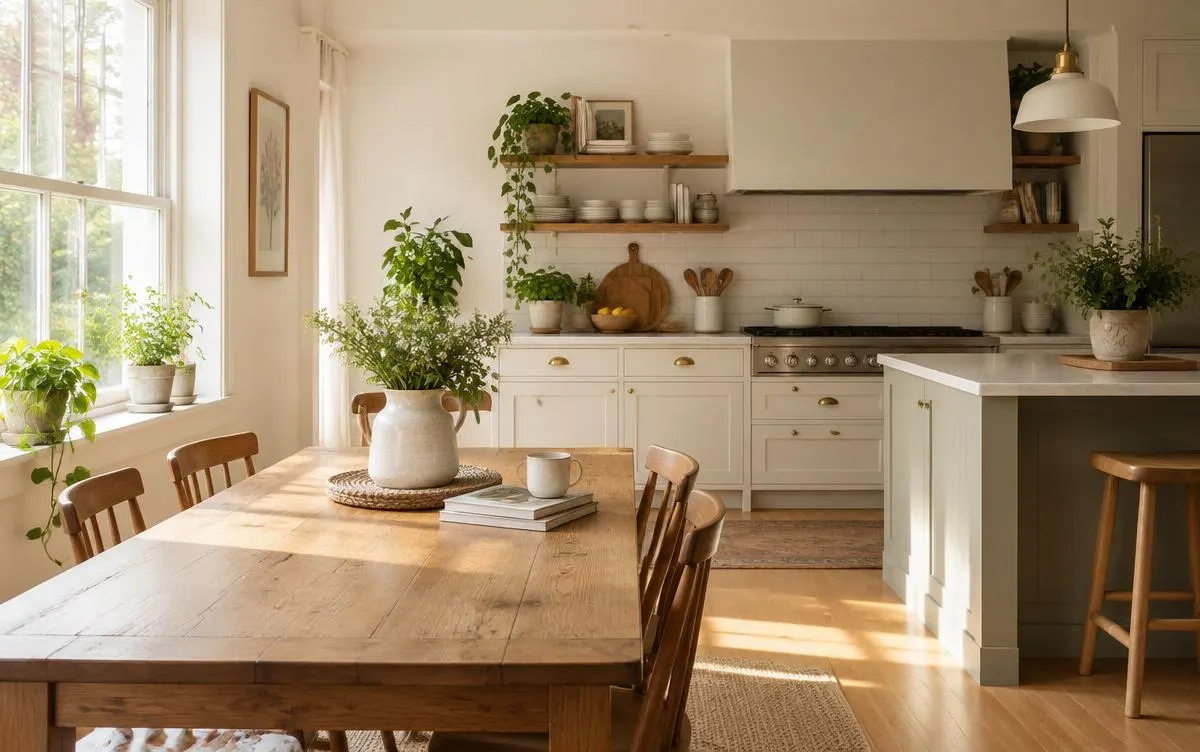
Small, thoughtful changes can make a home easier to navigate for children, adults, and older relatives alike.
Start with how people use the home
A safer home is not necessarily a home filled with specialized equipment. It is a place where everyday activities are easier to do, hazards are easier to notice, and people can ask for help without feeling that the house has been designed only for one age group. The best starting point is to observe how everyone actually moves through the space.
Walk through the home at different times of day. Notice where bags collect, where people carry hot drinks, where children play, and which routes are used in low light. Ask household members what feels awkward or difficult. A child may point out a toy that repeatedly lands in a walkway; an older relative may describe glare on a stair landing. These details are more useful than a generic list because they connect changes to real routines.
Make a short list and sort it by urgency and effort. A loose stair rail deserves attention sooner than a cupboard that is merely inconvenient. Some improvements cost nothing, such as moving a frequently used item to a reachable shelf. Others may need a qualified tradesperson. Avoid turning the walkthrough into a test of someone's ability: the goal is to make the shared environment work better for everyone.
Think in routes, not isolated rooms
Trace common journeys from the front door to the kitchen, bathroom, bedrooms, and outdoor areas. A route that is clear in daylight may be cluttered after school or hard to see at night. Consider whether a person can carry groceries or a laundry basket without needing to step around obstacles. Keep the most-used paths predictable and wide enough for the people who use them.
Reduce falls and everyday obstacles
Falls can happen to people of any age, and many trip hazards are easy to overlook because they become familiar. Keep stairs and walkways free of shoes, charging leads, toys, and loose items. Use storage near the place where items are normally dropped, such as a basket for shoes by the entrance. Secure rugs with suitable non-slip backing or remove them if they shift. Check that mats lie flat and that floor transitions are easy to see.
Stairs deserve particular attention. Keep them well lit, repair damaged treads, and make sure handrails are firmly fixed. A handrail that is continuous and comfortable to grip can help a child, an adult carrying something, or a person who wants extra balance. Do not use stairs as temporary storage, even for objects that seem harmless. If there is no rail or it feels loose, arrange an appropriate repair rather than relying on the wall for support.
In bathrooms, water and smooth surfaces can combine to make movement less predictable. Wipe spills promptly and consider non-slip surfaces or secure bath mats. Keep frequently used towels and toiletries within comfortable reach so nobody has to stretch over a wet floor. Grab bars may help some household members, but they need to be installed correctly into suitable structure; a towel rail is not a substitute for a support rail.
You may also find helpful: Decluttering children's rooms without the tears
Make lighting and visibility work
Good lighting helps people see steps, spills, labels, and changes in floor level. Aim for even light on stairs, hallways, entryways, and task areas such as kitchen counters. Replace failed bulbs promptly and choose fixtures or bulbs that are appropriate for the fitting. Night lights can make a route between a bedroom and bathroom easier to follow without waking the whole household.
Glare can be as troublesome as dimness. Notice reflections on glossy floors, bright windows behind a person speaking, and shadows at the top or bottom of stairs. Curtains or blinds can soften strong daylight, while layered lighting gives people options for different tasks. Keep switches easy to find at room entrances. Where a switch is awkwardly placed, a suitable plug-in lamp or professionally installed alternative may be a practical improvement.
Visibility also includes clear labels and contrast. Store medicines, cleaning products, and pantry items in their proper containers with readable labels. Keep emergency contact information in a consistent, known place. In a shared home, simple labels on storage can help children put items away and help visitors find essentials without opening multiple cupboards.
Address heat, fire, and household products
Prevention works best when it is built into everyday habits. Keep hot pans turned inward on the stove and use rear burners when practical. Set a clear rule for where hot drinks can be placed, especially when young children are nearby. Keep matches, lighters, and sharp tools out of children's reach, and store cleaning products in their original packaging in a secured location. Follow each product's label and avoid combining household chemicals.
Check that smoke alarms are installed in the appropriate places for the home and maintained according to the manufacturer's instructions. Make sure everyone knows what the alarm sounds like and which exit routes are available. Keep escape routes clear; a hallway blocked by boxes can make an otherwise good plan less useful. Households may also want to keep a suitable fire extinguisher, but people should only use one if they know how and can do so without delaying a safe exit.
Hot water, heaters, and cooking appliances need consistent attention. Use guards or barriers where appropriate and never leave active cooking unattended. Keep space heaters away from curtains, bedding, and traffic paths, and follow the maker's instructions. Store batteries and small objects safely around young children, who may put unfamiliar objects in their mouths.
Support independence without making assumptions
A useful home supports people in doing things for themselves while making assistance available when needed. Put daily-use items between knee and shoulder height where possible. Keep a stable chair available for tasks that take time, and avoid requiring someone to stand on a chair to reach a cupboard. In a child's room, place hooks and bins at a height that encourages independence while keeping hazardous items out of reach.
Ask before changing another person's setup. Someone may prefer a familiar arrangement, and moving furniture or belongings can create confusion. Explain the reason for a proposed change and try it together. A small trial, such as moving a lamp or relocating a frequently used object, can reveal whether the change genuinely helps.
For children, safety also involves age-appropriate supervision and clear boundaries. Use window locks or restrictors that are suitable for the window and do not obstruct emergency exit where required. Anchor furniture that could tip, particularly tall dressers and bookcases, following the manufacturer's guidance. Keep cords, small objects, and heavy items away from places where children climb or sleep.
Build a simple home-safety routine
A short recurring check is easier to maintain than a major annual overhaul. Once a month, look for loose rails, damaged cords, burned-out bulbs, blocked exits, and supplies that have been left in walkways. Test alarms as instructed by their makers and check that household members know the plan for leaving during an emergency. Seasonal changes are a good prompt to review outdoor steps, entrance mats, and lighting.
Write down tasks that need a specialist and arrange them according to risk and household needs. Avoid do-it-yourself changes to electrical, gas, structural, or other systems if you are not qualified. When a household member's mobility, vision, or routine changes, repeat the walkthrough rather than assuming that last year's arrangement still fits.
The most effective changes are often modest: a clear route, a secure rail, better light, and a predictable place for everyday items. Review how those changes work after a week or two. A home becomes safer not through perfection, but through small adjustments that respect the people who live there and are maintained over time.
Key takeaways
- Walk through the home with household members and focus on the routes they use every day.
- Clear walkways, secure loose rugs, maintain stairs, and improve lighting where it is needed.
- Store hot, sharp, and chemical hazards safely, and keep alarms and exits ready.
- Make changes collaboratively so safety supports independence rather than replacing it.
- Repeat a brief check regularly and use qualified help for work beyond your skills.
FAQs
What is the first thing to check in a home?
Start with the busiest routes, especially stairs, hallways, and the path between bedrooms and bathrooms. Clear obstacles and note lighting or repair concerns.
Do all homes need grab bars?
Not necessarily. Needs differ by person and layout. If support bars would help, they should be selected and installed correctly rather than attached casually to an unsuitable surface.
How can a family make a home safer without a large budget?
Begin with no-cost steps such as moving clutter, improving storage locations, and setting household habits. Then prioritize repairs and purchases based on the most important risks.
How often should we review home safety?
A quick monthly scan is a useful routine, with another check when someone moves in, routines change, or seasonal conditions affect entrances and outdoor paths.
Key takeaways
- Observe real household routines before choosing changes.
- Keep walking routes clear and stairs well maintained.
- Use dependable lighting and safe storage for hazards.
- Invite household members into decisions about their spaces.
Frequently asked questions
What is the first thing to check in a home?
Start with busy routes such as stairs, hallways, and the path between bedrooms and bathrooms. Clear obstacles and note lighting or repair concerns.
Do all homes need grab bars?
No. Needs differ. If support bars would help, select and install them correctly into a suitable structure.
How can a family improve safety on a small budget?
Begin by clearing clutter, improving storage, and agreeing on helpful habits, then prioritize repairs and purchases.
How often should we review home safety?
A monthly scan is useful, with additional checks when routines or household needs change.
Written and reviewed by the Everyday Guide Hub Editorial Team. Read how we work in our editorial policy.
Continue reading
Home & Family
Decluttering children's rooms without the tears
Toys and clothes pile up quickly. These gentle methods make tidying easier for children and parents alike.
3 min read
Home & Family
Simple weekly meal planning for busy families
A short weekly plan can cut food waste, save money, and remove the nightly 'what's for dinner?' question.
3 min read
Home & Family
Preparing your home for winter: a simple checklist
A few seasonal checks can help your home stay comfortable, organized, and ready for colder weather.
6 min read