How to Build an Emergency Fund Step by Step
By Everyday Guide Hub Editorial Team · Last updated April 8, 2026
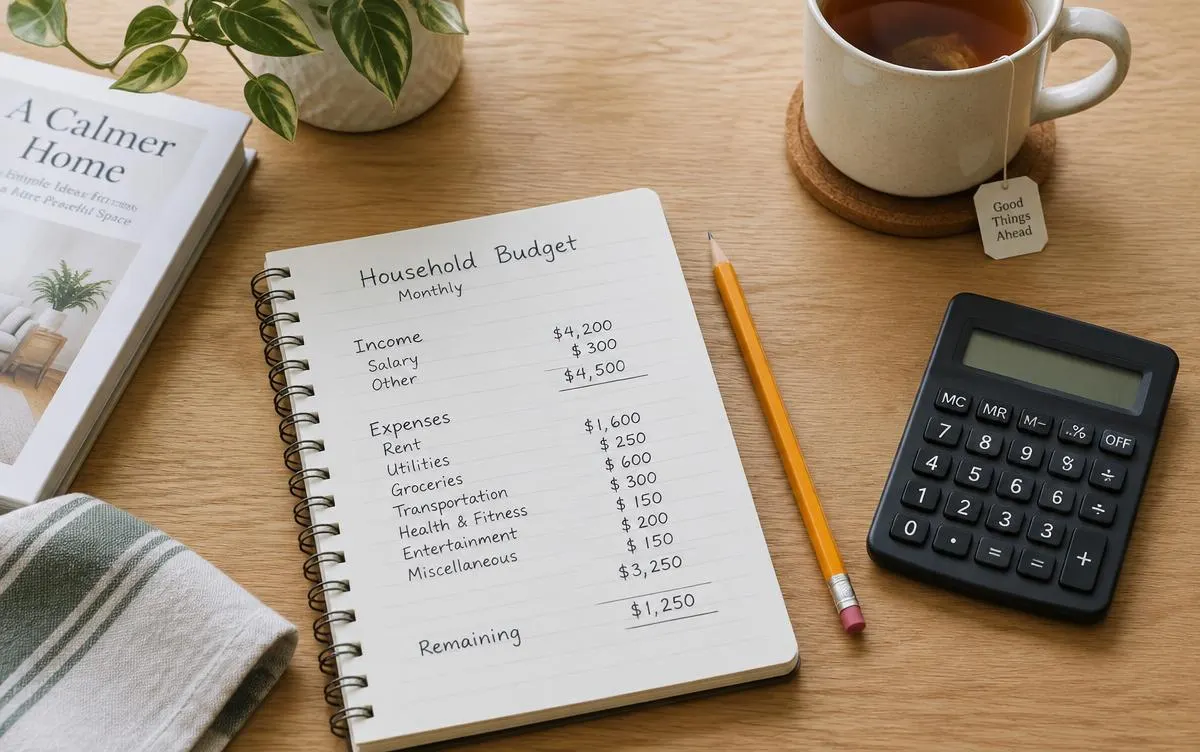
Learn how emergency savings work, how to set a starting target, and ways to build and maintain a reserve gradually.
This guide is general information only and is not financial, insurance or legal advice. Please speak with a qualified professional about your own situation. Read our disclaimer.
What an emergency fund is for
An emergency fund is money set aside for unplanned costs or a disruption in income. It can provide a buffer when an essential expense arrives unexpectedly, such as a necessary repair, or when regular income is temporarily reduced. The fund is different from money reserved for a planned expense. A vacation, a routine annual bill, or a purchase scheduled months ahead can be budgeted for separately, even if the timing is inconvenient.
There is no universal amount that works for every household. Income stability, necessary expenses, access to other resources, household responsibilities, and the types of risks a person faces all affect what a reserve might need to cover. A target is a planning aid, not a guarantee that every possible event can be paid for from savings.
The first purpose of a fund can be modest: to create some separation between an unexpected bill and everyday money. A small reserve may not cover a large disruption, but it can help with a smaller urgent cost. Over time, a household can review whether the initial amount is sufficient for its circumstances and decide whether to continue building it.
You may also find helpful: How to review and cut subscription costs
Step 1: Understand the household’s basics
Before choosing a target, get a clear picture of essential expenses. These are costs that would be difficult to pause if income changed or an unexpected event occurred. They may include housing, basic utilities, food, transportation needed for daily responsibilities, insurance, minimum required debt payments, and essential care costs.
Look at actual bills and account records rather than guessing from memory. A few months of records can show the usual level of spending; a longer review can reveal seasonal costs. Separate essentials from optional or flexible spending, but recognize that the distinction depends on a household’s situation. For one person, reliable transportation may be essential for work or care responsibilities. For another, it may be possible to temporarily reduce transportation costs.
Also note how predictable income is. A household with a steady paycheck may face different timing risks from someone whose earnings vary by season or project. Consider the number of people relying on the income and whether there are costs that could arise with little notice. This inventory is information gathering, not a judgment about spending choices.
A simple worksheet can include:
- Essential monthly costs and their due dates
- Income sources and how reliably they arrive
- Existing savings that are already assigned to another purpose
- Costs that occur occasionally but are foreseeable
- Circumstances that might make a cash reserve especially useful
Step 2: Choose a starting target
A target can be built in stages. Rather than waiting until a large amount feels achievable, some people begin with a small initial milestone and review it after it is reached. The milestone should be meaningful in the context of household expenses while still feeling realistic to pursue. There is no need to treat a common rule of thumb as a requirement; household needs and available resources differ.
One approach is to think in terms of the specific costs a first reserve might help absorb. Another is to estimate a number of weeks or months of essential expenses. Either approach has limits: an estimate cannot predict the exact size or timing of an emergency, and a larger target may take time to build. A useful plan can name an initial goal, a longer-term goal, and the assumptions behind both.
Keep emergency savings distinct from other savings when possible. If the same account is used for a car purchase, annual fees, and emergencies, it can be hard to tell how much is truly available. Clear labels in a budget or account arrangement can make the balance easier to understand. Any account choice involves factors such as access, fees, and protections, so compare terms carefully and use reliable information.
Targets can change. A new household member, a change in employment, a move, or a shift in regular expenses may alter what a reserve needs to do. Reviewing the goal periodically is more useful than assuming that a number selected once remains appropriate forever.
Step 3: Find a sustainable contribution
A regular contribution can build savings gradually. First, review the household budget and identify whether there is an amount that can be set aside without interfering with essential bills. The amount can be small at first. Consistency is often easier to maintain than an ambitious commitment that must be repeatedly paused.
Some people choose a contribution tied to each pay period; others transfer money monthly or move occasional extra income into savings. If a transfer is automatic, confirm the timing and account balance so it does not create a shortfall for bills. An automatic process can reduce the effort required, but it should be reviewed when income dates or expenses change.
If there is no obvious amount available, inspect expenses and income patterns without assuming that every category can be cut. A one-time sale, a rebate, a gift, or a period of lower spending might help start a reserve, but these sources may not recur. Avoid building a plan around money that is uncertain or already needed for another commitment.
Progress can be tracked with a simple record of the starting balance, contributions, and withdrawals. Seeing the balance grow can make an otherwise gradual goal tangible. If contributions stop temporarily, the plan has not failed; the next step may be to understand the cause and adjust the schedule.
Step 4: Keep the money accessible and separate
Emergency savings need to be reachable when an eligible expense occurs, but keeping the fund apart from day-to-day spending can help reduce accidental use. Households often compare account access, withdrawal timing, minimum balances, fees, and applicable protections before selecting a place for savings. Terms can differ, so read current account information and ask the institution questions when something is unclear.
Convenience is only one part of the decision. A fund that is difficult to access may not be useful for a time-sensitive expense, while a balance mixed with everyday spending may be harder to preserve. Consider how the household can reach funds in ordinary circumstances and what process applies if a transfer or withdrawal is needed.
Protect account access using strong, unique credentials and available security features. Keep contact details current so account notices can be received. Be alert to unsolicited messages asking for passwords, verification codes, or account access; a request to disclose private credentials should not be treated as a routine account step.
Avoid taking on unnecessary risk in pursuit of a higher return for money that may be needed quickly. Emergency savings serve a different purpose from long-term investing. The key question is not simply the potential return but whether the money remains appropriate for its intended role.
Step 5: Use it thoughtfully and rebuild
An emergency fund is meant to be used for circumstances that fit its purpose. Before withdrawing, identify the cost, its urgency, and whether it is a genuinely unexpected need or a planned expense that has not yet been funded. In a real emergency there may be little time for extended analysis, so having a simple definition in advance can help.
Record withdrawals and the reason for each one. If the money is used, the next step is to reassess the remaining balance and resume contributions when circumstances allow. Rebuilding may take time. A temporary reduction in savings can be an appropriate response to a changed budget; it is more informative to update the plan than to conceal the change from the record.
If a major expense exceeds the fund, the reserve can still have helped by covering part of it. A shortfall does not mean saving was pointless. The experience may provide better information about the size or type of reserve that would be useful in the future. It may also highlight costs that are better handled through separate planned savings.
Review the fund at least occasionally. Ask whether the target still matches essential expenses, whether account access remains suitable, and whether upcoming predictable costs should be saved for separately. An emergency fund is one part of household money management, not a substitute for insurance, stable income, or other forms of support.
Keep the plan flexible
Building savings is a process, and people’s ability to contribute can change. A job change, illness, family responsibility, or price increase may require a different pace. If progress is slow, revisit the target and contribution rather than assuming the only acceptable plan is a large monthly transfer.
A simple written plan can state the fund’s purpose, initial milestone, longer-term target, expected contribution schedule, and conditions for using the money. It can also note who in the household can access it and where account information is securely stored. Keep sensitive credentials private; an inventory should help organize finances without exposing passwords.
The most useful plan is one a household can understand and adjust. Reaching a target is not a one-time finish line: the reserve may later be used, replenished, or changed as circumstances develop. Regular, realistic attention can turn emergency savings from an abstract goal into a practical part of a broader household plan.
Key takeaways
- Define which unexpected costs the reserve is intended to help cover.
- Estimate essential expenses before choosing a savings target.
- Build the fund in stages and use a contribution that fits the budget.
- Consider access, fees, and account terms when keeping savings separate.
- Record withdrawals and revisit the target as circumstances change.
Frequently asked questions
How much should an emergency fund contain?
There is no universal target. Household expenses, income stability, responsibilities, and access to other resources all matter. Some people begin with a smaller milestone and review the longer-term target as they learn more about their needs.
What counts as an emergency?
An emergency fund is generally intended for an unplanned cost or income disruption that affects essential needs. A household can define its intended uses in advance and save separately for foreseeable expenses.
Where should emergency savings be kept?
People often compare access, withdrawal timing, fees, minimum balance rules, and applicable protections. Account terms vary, so review current information and consider how quickly the money might need to be available.
Is it a problem if I have to use the fund?
No. Using the reserve for an appropriate unexpected cost is part of its purpose. Record the withdrawal, reassess the remaining balance, and resume contributions when circumstances allow.
Written and reviewed by the Everyday Guide Hub Editorial Team. Read how we work in our editorial policy.
Continue reading
Personal Finance Basics
How to review and cut subscription costs
Streaming, apps, memberships—small monthly fees add up. A quick audit can reveal easy savings.
3 min read
Personal Finance Basics
Building an emergency fund, step by step
An emergency fund can soften the impact of unexpected costs. Here is a practical way to start, even with a small budget.
3 min read
Personal Finance Basics
How to Spot and Avoid Common Money Scams
Recognize common warning signs of money scams and learn practical ways to pause, verify, and protect personal information.
7 min read