Understanding Credit Scores: What Affects Them
By Everyday Guide Hub Editorial Team · Last updated June 17, 2026
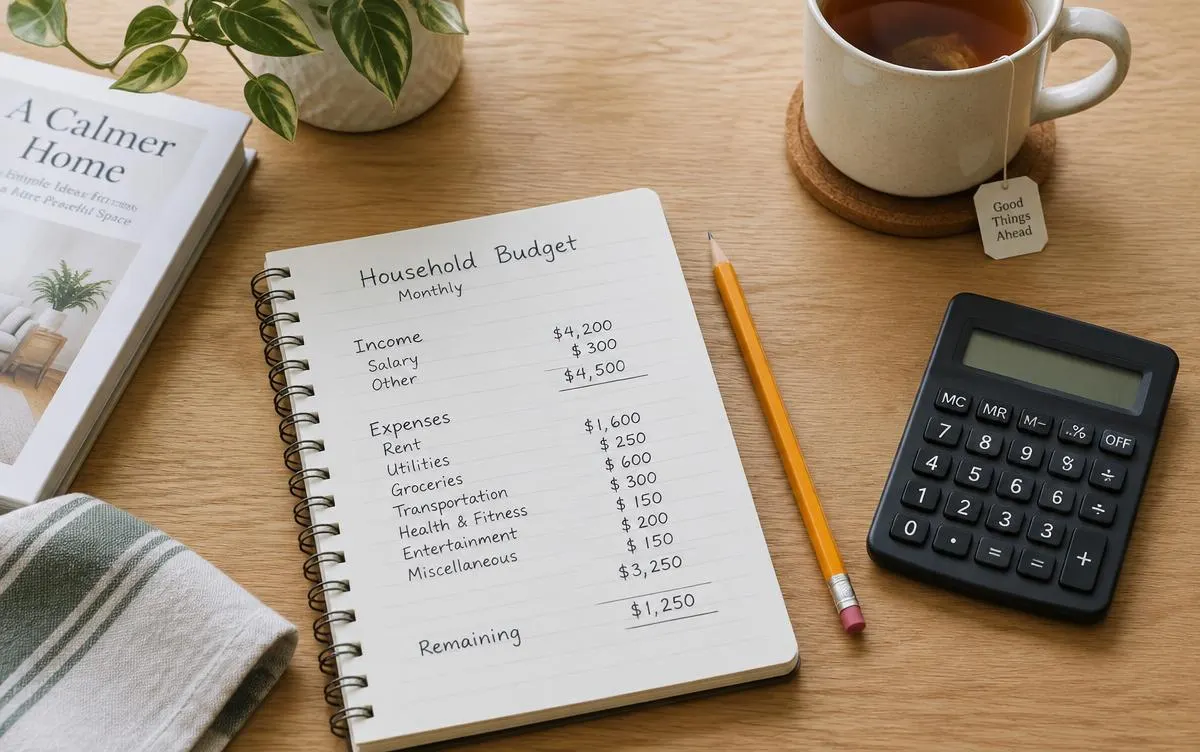
A plain-language guide to credit scores, the information that can influence them, and how to review credit reports for accuracy.
This guide is general information only and is not financial, insurance or legal advice. Please speak with a qualified professional about your own situation. Read our disclaimer.
What a credit score represents
A credit score is a number generated from information in a credit file using a scoring model. Lenders and other businesses may use scores as one part of evaluating applications or setting terms, but practices vary. A score is not a complete picture of someone’s finances, character, income, or ability to manage every kind of expense. It is a model-based summary of selected credit information.
There is not just one score. Different scoring companies and models may use different methods, and scores can vary depending on the information available and the date a score is calculated. A score provided through one service may not match a score used by a particular lender. Differences do not automatically mean that one number is wrong.
Credit files are maintained by credit reporting companies and may contain information about accounts, payment history, balances, applications, and public records where applicable. The exact contents and availability can depend on the reporting company and the relevant rules. A score is calculated from information in a file; reviewing the file itself can help explain what data may be shaping the number.
Because a score can change as information is updated, a single reading is only a snapshot. It is more useful to understand the broad factors and check whether the underlying report appears accurate than to treat a score as a permanent rating.
You may also find helpful: How to review and cut subscription costs
Payment history and account information
Payment history is an important factor in many scoring models. Records may show whether payments were made on time or whether an account was reported late. The effect of a particular event can depend on the model, account, reporting details, and time since the event. Not all missed payments are reported in the same way, and account terms differ.
Payment due dates and statement dates are not the same thing. A billing statement summarizes account activity and states a payment due date; the balance reported to credit reporting companies may be based on information supplied at a particular point in the billing cycle. That means a reported balance may not be the same as the amount someone sees after making a later payment.
Records can also include whether an account is open or closed, its type, and its reported status. A closed account does not necessarily disappear immediately from a credit file. The details and duration of reporting vary according to the kind of information and applicable reporting practices.
When reviewing an account, compare the name, status, dates, and balances with statements or other records. If something appears unfamiliar or inaccurate, note the specific entry and follow the reporting company’s published process for disputes. Keep copies of supporting documents and records of communications. Avoid assuming that an unfamiliar entry is necessarily fraud; it may reflect a data error, a shared or joint account, or a name variation that needs to be investigated.
Balances, limits, and credit use
Many scoring models consider the relationship between revolving account balances and available credit. A credit card with a limit and a reported balance may be evaluated differently from an installment loan with a scheduled repayment structure. The way balances are considered varies by model, and no single percentage guarantees a particular score.
A reported balance can differ from a current balance because reporting and payment dates do not always coincide. Paying an account down after a statement or reporting date may not be reflected until a later update. This timing distinction is one reason a score can move even when a person has not made a major change to how they use credit.
Credit limits are also part of account information. A limit may change, and the amount reported may not update immediately. It is useful to check statements and reports rather than relying on an assumption that every creditor reports on the same day or with the same frequency.
Using credit within an account’s terms and keeping records organized can help people understand their credit activity. Carrying a balance from month to month is not required simply to generate a score. Fees, interest, and account terms are separate considerations; a score does not measure the total cost of borrowing or tell someone whether a purchase is affordable.
Credit history, applications, and account mix
The age and history of accounts can be considered by scoring models. A longer record may provide more information, but a person does not need to have a long history to have a credit file. Closing an account, opening a new one, or changing the mix of accounts can alter the information available to a model. The effect varies and cannot be reduced to a guaranteed number of points.
Applications may result in a credit inquiry. In general, an inquiry records that a report was requested, but the types of inquiries and their treatment vary. An application that leads to a hard inquiry may be considered by some models. A consumer’s own review of a credit report or score is commonly treated differently from a lender’s application inquiry, though the exact labels and rules depend on the reporting context.
Some models may consider the variety of credit accounts, such as revolving accounts and installment loans. Having more types of debt is not a goal in itself. Applying for accounts that are not needed can have costs and consequences, and a credit score does not provide a reason to borrow simply to create a particular account mix.
Credit histories develop over time. A thin file may produce limited or different results because there is less information to evaluate. That is not the same as a report containing negative information. The right interpretation depends on the report and the model.
Check credit reports for accuracy
A credit report is the underlying record; a score is a calculation that may use some of that record. Reviewing reports can help identify accounts, balances, inquiries, or personal details that do not appear familiar. Check reports from the relevant reporting companies, since information may not be identical across them.
A careful review can include:
- Personal identifying details, such as name and address variations
- Accounts and their reported status
- Payment history and balances
- Inquiries and dates
- Any other records included in the report
If an item appears wrong, identify exactly what is disputed and gather relevant statements or correspondence. Use the reporting company’s dispute process and, when appropriate, contact the organization that supplied the information. Keep a dated copy of the report, supporting material, and any response. Processes and timelines can vary, so rely on current instructions from the organizations involved.
If an account is unfamiliar, first check whether it may be connected to a joint account, an authorized user arrangement, a different account name, or an identity mix-up. If there are signs of unauthorized activity, use the reporting company’s and account provider’s official channels to report the concern. Do not share passwords or one-time security codes with someone who contacts you unexpectedly.
Put scores in context
Scores can change when a creditor updates information, a balance changes, an account ages, or a new inquiry appears. Not every change signals a problem. It can be helpful to compare the date, source, model if identified, and underlying report rather than comparing two scores without context.
A score does not show whether someone has enough savings, pays rent on time, or can comfortably manage a new monthly payment. It also does not guarantee that an application will be approved. Organizations may consider other information, and they may use different score versions or decision criteria.
Be cautious about claims that promise an exact score increase by a particular date or guarantee removal of accurate information. Credit reporting and scoring involve multiple organizations and models. A service should be evaluated by its terms, fees, and specific claims, not simply by the promise of a quick numerical result.
Understanding a score means knowing what information may contribute to it, checking the source and date, and reviewing reports for accuracy. That context can make the number less mysterious without treating it as a complete measure of a person’s financial life.
Key takeaways
- Credit scores are model-based snapshots, and different models can produce different numbers.
- Payment records, balances, account history, and inquiries may be considered.
- A reported balance may not match the current balance because reporting dates differ.
- Review credit reports as well as scores to understand the underlying information.
- Dispute specific inaccuracies through the relevant organization’s published process.
Frequently asked questions
Why do credit scores differ between services?
Services may show scores from different models, use different reporting data, or calculate a score on different dates. A score from one source may not be the version used by a particular lender.
Does carrying a credit card balance help a score?
Carrying a balance from month to month is not required simply to generate a credit score. Account costs and terms are separate from the score, and models can treat balances differently.
Why does a credit report show a balance I already paid?
The creditor may have reported the balance before the payment was made or before the next reporting update. Reporting dates and update schedules can vary.
What should I do if a report contains an error?
Note the exact entry, gather supporting records, and use the reporting company’s published dispute process. Depending on the issue, contacting the organization that supplied the information may also be appropriate.
Written and reviewed by the Everyday Guide Hub Editorial Team. Read how we work in our editorial policy.
Continue reading
Personal Finance Basics
How to review and cut subscription costs
Streaming, apps, memberships—small monthly fees add up. A quick audit can reveal easy savings.
3 min read
Personal Finance Basics
Building an emergency fund, step by step
An emergency fund can soften the impact of unexpected costs. Here is a practical way to start, even with a small budget.
3 min read
Personal Finance Basics
How to Spot and Avoid Common Money Scams
Recognize common warning signs of money scams and learn practical ways to pause, verify, and protect personal information.
7 min read