Building an emergency fund, step by step
By Everyday Guide Hub Editorial Team · Last updated October 28, 2026
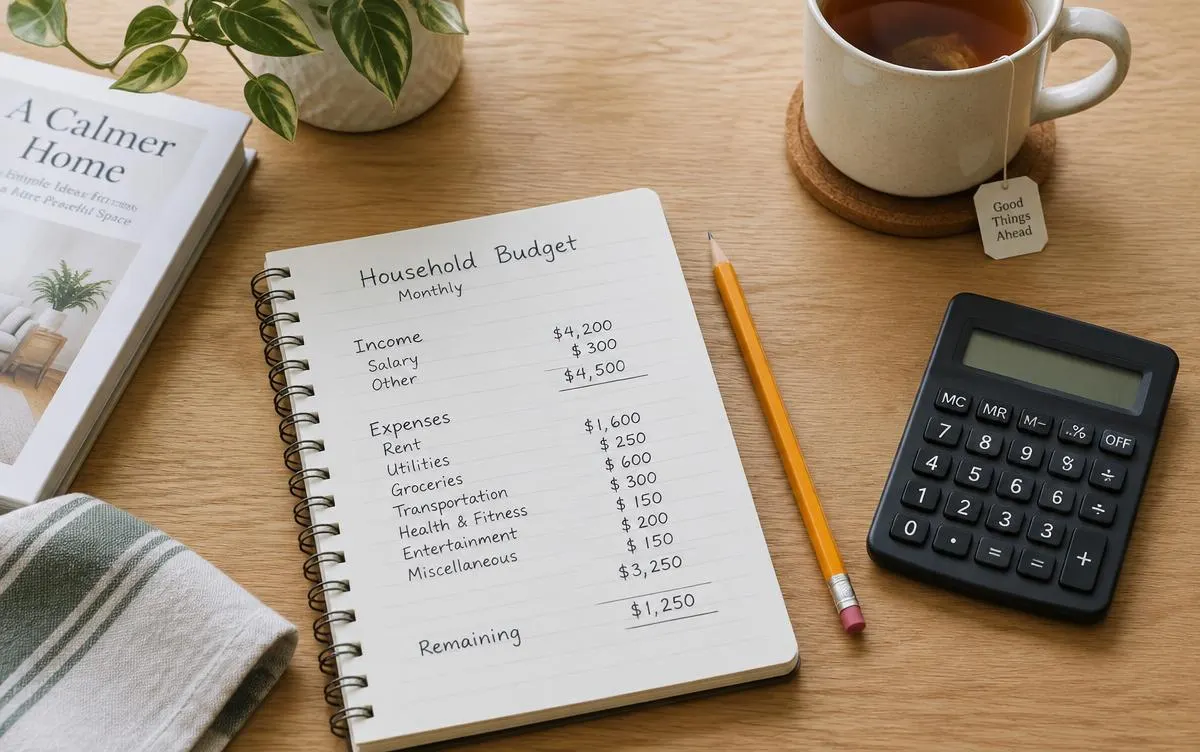
An emergency fund can soften the impact of unexpected costs. Here is a practical way to start, even with a small budget.
This guide is general information only and is not financial, insurance or legal advice. Please speak with a qualified professional about your own situation. Read our disclaimer.
What an emergency fund is for
An emergency fund is money set aside for unexpected, necessary costs—such as an urgent car repair, a broken appliance, or a gap in income. Having it can reduce the need to borrow at short notice. It is different from savings for planned goals like holidays.
Set a first, small target
Large targets can feel discouraging. Many people start with a modest first milestone, such as enough to cover one unexpected bill. Once reached, the next goal might be one month of essential expenses, then more over time. The right size depends on your income stability, household, and obligations.
Work out your essential costs
List the monthly costs you could not easily pause: housing, utilities, food, transport, insurance, and minimum debt payments. This number helps you set realistic targets.
You may also find helpful: How to review and cut subscription costs
Make saving automatic
Set up a regular transfer to a separate savings account on payday. Even a small amount adds up, and automation removes the need to decide each month.
Keep it accessible but separate
The fund should be easy to reach in a genuine emergency but not so easy that it gets spent on everyday purchases. A separate account with a clear name can help. Compare interest rates and access conditions before choosing.
Refill after using it
Using the fund is exactly what it is for. Afterwards, restart regular transfers until the balance is back at your target.
This guide is general information, not financial advice. Consider speaking with a qualified adviser about your specific situation.
Key takeaways
- An emergency fund covers unexpected, necessary costs.
- Start with a small first target and build gradually.
- Automatic transfers make saving consistent.
- Keep the fund separate and refill it after use.
Frequently asked questions
How much should my emergency fund be?
It depends on your circumstances; many people build toward several months of essential expenses over time.
Should I save or pay off debt first?
Many people keep a small buffer while repaying high-interest debt, but a qualified adviser can help you decide.
Written and reviewed by the Everyday Guide Hub Editorial Team. Read how we work in our editorial policy.
Continue reading
Personal Finance Basics
How to review and cut subscription costs
Streaming, apps, memberships—small monthly fees add up. A quick audit can reveal easy savings.
3 min read
Personal Finance Basics
How to Spot and Avoid Common Money Scams
Recognize common warning signs of money scams and learn practical ways to pause, verify, and protect personal information.
7 min read
Personal Finance Basics
Understanding Credit Scores: What Affects Them
A plain-language guide to credit scores, the information that can influence them, and how to review credit reports for accuracy.
6 min read